A B2B marketers guide for harnessing great design
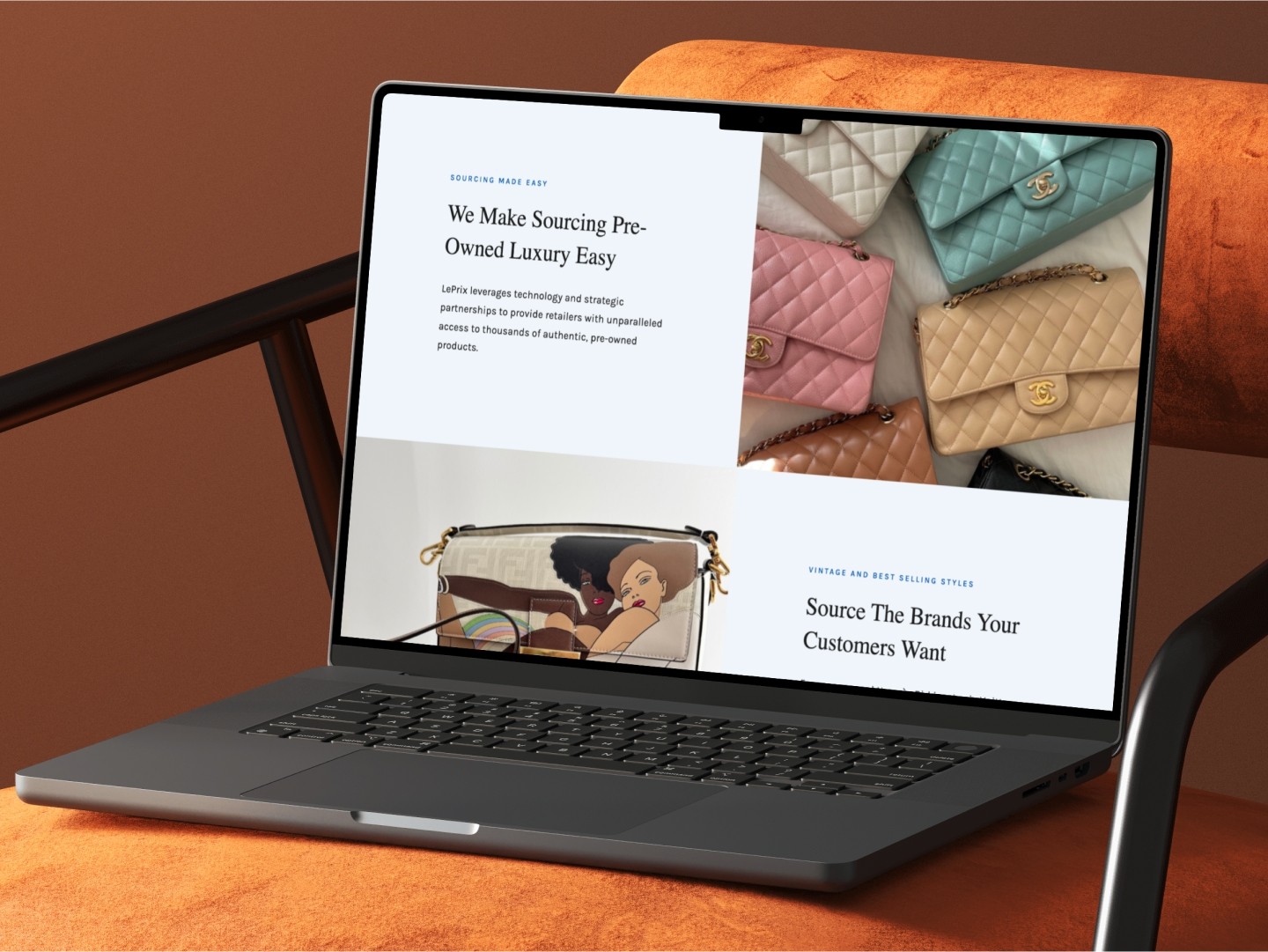
B2B buyers respond to a clean, clear website with beautiful visuals
Great Design Is a B2B Sales Strategy, Not a Nice-to-Have
Enterprise buyers don't discover you on your website. They validate you there. By the time a premium prospect lands on your site, they've likely already heard your name. What they're doing next is deciding whether you look like a company worth trusting with a significant contract. Visual design is doing that convincing, often before anyone reads a word.
What the Data Actually Shows
Judgment happens faster than conscious thought. Enterprise buyers form a visual credibility assessment in under 50 milliseconds. 94% of first impressions are based on design alone, and the whole judgment happens in a fraction of a second, well before a prospect reads your headline or value proposition.
Buyers pay more for a better experience. 87% of B2B buyers say they'd pay a premium to a supplier that offers an excellent digital experience. A polished, confident site doesn't just convert better, it changes what buyers expect to pay. The same offering on a beautifully designed site meets far less price resistance than it does on a cluttered or dated one.
Design shapes perceived value directly. Strong design can boost perceived value by as much as 75%, according to marketing psychology research. Premium positioning starts visually. Buyers infer quality, competence, and price tier from design cues before they evaluate a single feature.
Outdated design reads as organizational risk. For enterprise procurement teams, an outdated or neglected website is one of the clearest external signals of instability. They're not just judging aesthetics, they're using your site as a proxy for whether your company is stable enough to be a long-term vendor.
Buyers compare you before you know it's happening. 90% of B2B buyers research 2 to 7 different vendor websites before making a decision, and 93% start that research on a search engine. Your website is very often the first sales conversation your company has, and it's happening without a salesperson in the room.
Speed is part of the design equation. 83% of buyers expect a site to load in under 3 seconds, and a one-second delay can cut conversions by up to 20%. A visually premium site that loads slowly undercuts its own credibility.
Why This Matters More at the Premium End
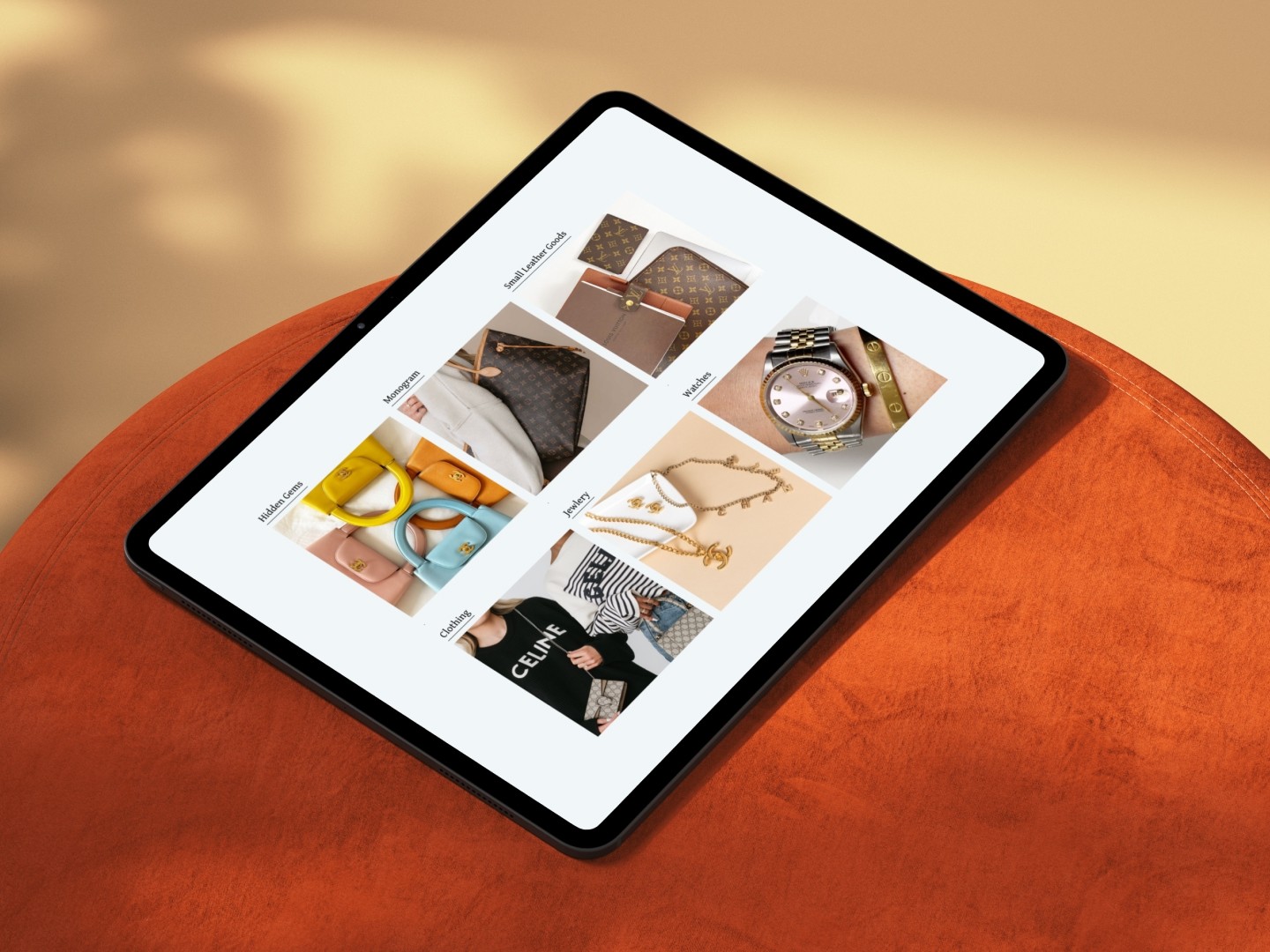
Lower-tier buyers are often shopping on price and will tolerate a rough site if the deal is cheap enough. Premium B2B buyers are shopping on trust, risk reduction, and long-term confidence in the vendor relationship. Design is one of the few signals they can evaluate instantly, without a call, a demo, or a reference check. A site that looks premium tells them you take the same care with your product, your delivery, and your account management. A site that looks like an afterthought tells them the opposite, no matter how good the actual work is behind it.
Where Most Companies Actually Fall Short
It's rarely a lack of budget. It's usually one of these:
The site was built for launch, not for growth. Many B2B companies build a site early, when they had limited budget and a simpler offering, and never revisit it as the company matured into serving larger, more sophisticated buyers.
Design and content are inconsistent across pages. A strong homepage paired with a neglected pricing page, careers page, or case study section breaks the credibility the homepage just built. Buyers notice the seams.
The site looks like a template, because it is one. Premium buyers have seen hundreds of vendor sites. A generic template signals average, and average doesn't win premium contracts.
The Contrarian Take
The instinct is usually to add more: more animations, more sections, more proof points, more pages. The better move for premium positioning is often the opposite: strip the site down to fewer, sharper pages with more white space and a clearer point of view. Restraint reads as confidence. Clutter reads as compensation. Some of the highest-trust B2B brands have the simplest sites, not the busiest ones.
Bottom Line
If your product is strong but your growth has plateaued in the enterprise segment, the website is worth auditing before the sales process. Premium buyers are pattern-matching on visual trust signals in less time than it takes to read this sentence. Design isn't decoration on top of the sales process, for a huge share of premium B2B buyers, it is the first part of the sales process.
